How Vertically Integrated Casting and Machining Reduces Lead Time and Risk
Automotive engineering teams have never faced such high demands. On one hand, they’re dealing with tightening emissions regulations, and on the other, the manufacturers they work for are pushing for compressed timelines.
These are just two of the demands being felt by engineering teams, which have reshaped what Tier 1s and OEMs need from a modern supplier.
Thankfully, vertically integrated manufacturing is helping to change the game, particularly in casting and CNC machining. Whereas before, teams had to deal with multiple factories that offered different services, integrated suppliers now alleviate this headache by offering the entire process under one roof.
For lead engineers, this reduces the number of handovers and puts control back in the hands of the team delivering the part.
In this piece, we’ll explore what truly integrated casting and machining looks like in modern automotive supply chains. By unpacking the benefits it offers across tolerance control and emissions reduction, it should help engineering leaders assess whether their current approach is still fit for purpose.
What is Integrated Casting and Machining?
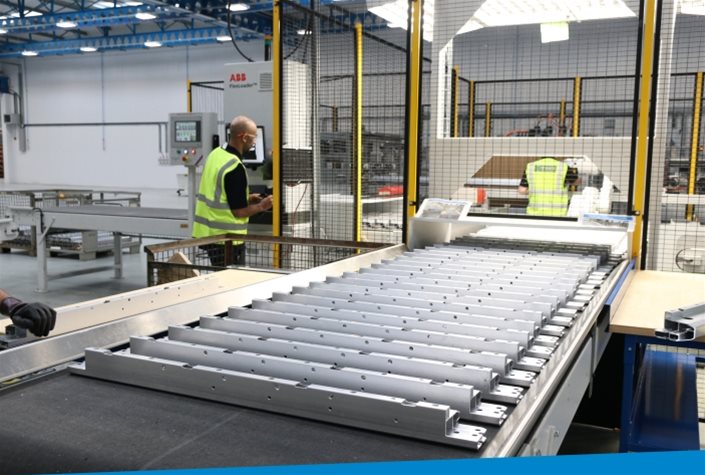
Integrated casting and machining refers to a streamlined production model whereby everything is managed in one facility, under one roof, including:
- Casting
- Tool design
- CNC machining
- Fabrication and Assembly
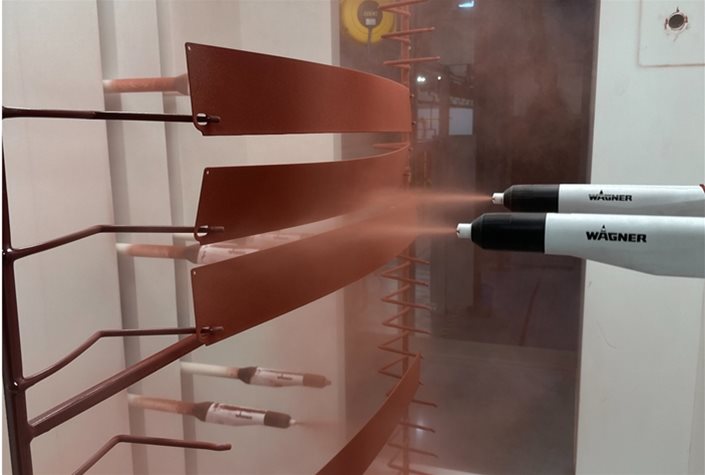
- Surface Treatments
- Post-process validation
This removes handovers and reduces delays for automotive engineers, leading to better control over quality and de-risking tolerances at every stage of the component lifecycle.
An integrated approach is a simple one, too. And with engineers under pressure to reduce time-to-market, a refined process happening under the roof of one supplier equals one less thing to worry about.
Integration means that design and production teams can collaborate early in the process to make quicker decisions that result in a better, more tolerant product. As well as designing better parts, integration also supports greater traceability. With everything taking place in-house, it’s easier to track part traceability and monitor process consistency, as well as collating all the data needed for important emissions reporting.
As automotive platforms become more complex and take into account EVs and weight-critical ICE components, integrated models are becoming the de facto option for high-performance part delivery.
Why Is Vertical Integration Becoming a Priority for Automotive Engineers?
Today’s lead engineers are under increasing pressure to:
- Improve component quality
- Reduce the manufacturing lead time
- Minimise delays,
- And meet compliance targets
Each one is as important as the next. Thankfully, vertical integration can addresses all three concerns by connecting design, casting, machining, surface treatments and inspection into one unified process.
Older supplier models typically involve multiple handovers between foundries and factories, all of which carry a degree of risk. Miscommunication can derail time-to-production just as much as more complex issues around tolerance misalignment during these handovers.
But with vertical integration, all operations are tightly controlled by one single team, reducing that risk by eliminating handovers and logistical complexities. As well as reducing risk, an integrated supplier can give engineering leads faster access to process data and feedback on design iterations. All of this reduces lead time and friction at key product milestones.
Speeding up and de-risking processes is welcome, but if it doesn’t support sustainability goals, it’s counterproductive. Integrated suppliers help to support ESG by removing unnecessary transport stages between processes. It also offers manufacturers access to CO2e reports that they can use in their Scope 3 reporting, something that is of huge prominence in today’s automotive industry.
From a programme manufacturing perspective, vertical integration keeps the number of contracts down and centralises accountability to one team, in one factory and, if on-shored, in the UK, both of which are key priorities for automotive OEMs and Tier 1s.
What Are the Benefits of Combining Casting, Tooling, and Machining Under One Roof?
Consolidating all the core processes into one integrated system reduces delays and supports fast, flexible component development, which is highly important during the early stages of programmes, as we’ve seen.
Some Additional Benefits of Integration
| Lead time reduction | Tooling and machining work side by side in an intergrated factory, which means changes can be made in hours. This speed accelerates first-off approval and cuts programme ramp-up time significantly. |
| Improved quality and tolerance | Tolerance stack-ups often occur when cast and machined parts move between suppliers. But with an integrated option, coordination between tool makers and machinists happens earlier. |
| Fewer Handovers | With only one supplier to coordinate, engineers no longer need to chase multiple vendors for updates across different time zones or production sites. |
| Faster iteration cycles | If designs change because of DFM feedback or simulation outcomes, in-house tools can be used to trial and implement them rapidly. |
| Lower scrap and rework rates | Tighter coordination across process stages minimises mistakes and human error, reducing costly scrap or rework efforts. |
How Does Vertical Integration Help With Tolerance Management?
Issues around tolerances tend to arise because of poor communication across disconnected suppliers. These issues can be extremely costly, but with an integrated supplier bringing tooling and machining together, critical dimensions are aligned and remain so from the start.
Tolerances are one of the most common failure points in automotive parts with multiple interfaces or safety-critical geometry. Integrated environments mean that casting and machining teams can collaborate early on in the design process. Early collaboration means tools are designed with post-machining tolerances in mind, which avoids costly misalignment.
Another way tolerances are better managed is via in-house validation and coordinate measuring machine inspections (CMM). Data from this allows engineers to spot deviations during and after casting to make rapid corrections before the issues compound.
In-house suppliers avoid external testing delays and give their manufacturing patterns the confidence that every part will meet specification consistently by using validation and CMM.
Another common challenge related to tolerances is dimensional drift, which can cause parts to deviate from their intended geometry. A non-integrated system means that small shifts can accumulate and create a tolerance stack-up.
This process headache can be eliminated by connecting all stages to a shared data system that results in more predictable, consistent production.
Can Integrated Casting and Machining Reduce Emissions and Improve Traceability?
Integrated suppliers reduce the need for inter-factory logistics and enable carbon tracking at each key stage to support OEM sustainability goals.
Every supplier change causes a range of emissions, be it from transportation, packaging, or handling. All these areas contribute to an OEM’s Scope 3 emissions in the supply chain, and can all be reduced by integrating manufacturing under one roof.
As well as integration reducing Scope 3 emissions, it also aids traceability because it’s far easier to read a single data set from one supplier as opposed to several from suppliers who may not offer the data integrity needed.
Fully automated data management systems like the ones used at BCW Engineering track several metrics in real time, such as:
- Part movement
- Processing stages
- Environmental impact per part
A complete traceability record can easily be accrued by tracking these metrics in-house, as they occur. Traceability is increasingly important as regulations such as CBAM mean OEMs must align with Scope 1, 2, and 3 reporting requirements.
But traceability isn’t just about compliance. It allows engineers to monitor deviations in tolerances, for example, and feed that data into continuous improvement strategies.
At BCW Engineering, we have implemented closed-loop processes that allow recycled swarf recovery, which contributes to lower CO2e per part, all of which can be traced to advanced sustainability KPIs.
What Should Engineers Look for in a One-Stop Casting Supplier?
A lot of suppliers will claim they are vertically integrated, but not all of them offer true end-to-end control. Below is what engineers should assess if they are in the market for an integrated supplier.
In-house tooling
A supplier that doesn’t rely on third-party tooling can adapt faster when a design tweak or tolerance issue arises. Rather than waiting weeks for an external toolmaker to make changes, in-house tooling means these changes can be trialled and implemented immediately. Outsourced tooling often creates a disconnect between design intent and manufacturing reality, whereas integrated tooling keeps everything under control.
Machining centre capabilities
The right machining capabilities are critical for parts that have complex geometry and tight tolerances. Suppliers worth selecting will be able to demonstrate 3, 4, and 5-axis machining centres and provide evidence of in-process inspection. Advanced machining such as this reduces the number of setups, which is vital for high-volume automotive programmes.
Design for manufacture (DFM) input
A vertically integrated supplier should contribute DFM feedback before final designs are frozen to help engineers avoid late-stage reworks. DFM input ensures components are optimised for casting and machining. Early input covers aspects such as wall thickness, draft angles, and machining allowances and suppliers that have proven integrated workflows can simulate casting and machining at the same time, giving engineers guidance on how to adjust designs.
Traceability systems
Suppliers need to demonstrate robust data capture systems because OEMs demand full Scope 1-3 CO2e reports as well as part traceability. Barcode scanning and Data Management Systems are now essential, not nice-to-haves. Properly integrated traceability allows every stage to be linked into a single digital record, helping engineers and buyers respond quickly to compliance requests from OEMs.
Strong track record
A credible, one-stop casting supplier should show a proven history of delivering New Product Introduction (NPI) programmes on time. Manufacturers should look for examples where they’ve solved tolerance or lead time issues for other Tier 1s or OEMs. Case studies are great examples and can highlight how integrated suppliers reduce scrap rates and hit PPAP deadlines at scale. Track records can also be proven through customer references, which OEMs increasingly prefer because it builds trust that a supplier can deliver high-stakes projects.
Integration Isn’t Optional Anymore
Vertically integrated casting and machining is a competitive necessity for engineering and procurement leaders who have to navigate new vehicle platforms and emissions mandates.
Integrated suppliers can reduce lead time and eliminate tolerance misalignment by consolidating every process into one workflow, to the benefit of them and their partners.
At BCW Engineering, we see integration as a strategic partnership which gives OEMs and Tier 1s the confidence to move faster without compromising quality.