Key Considerations When Selecting an Automotive Parts Supplier
The landscape of automotive manufacturing is evolving. For purchasing managers, finding the ideal supplier is no longer a simple, box-ticking exercise. With so many factors at play, from competitors to supply chains and everything in between, finding the right supplier can impact cost, quality, and delivery performance.
Supplier selection in 2025 is a strategic priority. Procurement leaders, as a result of sustainability pressures, global risk, competitiveness, and a need to work with a team that can scale with programmes from NPI to high-volume, are increasingly seeking suppliers that offer both resilience and the ability to adapt across programme lifecycles.
If the right one is selected, the benefits of reduced complexity, shortened lead times, and ancillary support can all be enjoyed.
So, with growing pressure to focus on reducing costs and improving efficiency, what should those procuring new suppliers consider? This article explores just that and should set you up to find the right automotive parts supplier
Why Supplier Selection Matters More Than Ever
Modern supply chains, despite their efficiency and speed, face huge challenges from all angles. Geopolitical shifts, price, availability fluctuations in raw materials, and regulatory changes such as the Carbon Border Adjustment Mechanism (CBAM) have put procurement teams under more pressure than ever to not only deal with these challenges but also reduce costs while maintaining and improving quality and delivery.
As well as a belief that an automotive parts manufacturer can do the job from day one, engineers need to feel secure and trust that the supplier can still deliver on day 1,001, even when unforeseen global events disrupt supply chains. Without this trust, line-stopping delays and fractured programme execution could be around the corner.
In Brief: What Does an Ideal Supplier Look Like?
There are three key pillars of a successful supplier in 2025, they are:
- Flexibility: As your automotive programme scales, your supplier needs to have enough bandwidth to be able to accommodate your new clients.
- Visibility: How much real-time data can a supplier provide across the full production and delivery process? This includes real-time updates, full traceability, digital documentation, and live insight into quality metrics and delivery schedules.
- Long-term Value: Moving from supplier to supplier is never ideal. A supplier that can show you how working with them will continue to benefit your teams in two to five years is one not afraid of commitment.
Let’s now go deeper into the key considerations, the ones that make up those three pillars, that you need to factor in when choosing an automotive parts supplier.
1. Quality, Compliance and Traceability – Non-Negotiables
In automotive manufacturing, safety starts with material quality and traceability. To meet industry standards, suppliers must hold certifications such as IATF16949, ISO 14001 and ISO 9001..
The raw materials used in your vehicle need to be traceable, from billet to the final component. The right supplier for you will be the one which has all this built into their data infrastructure across raw materials, machining, and any surface finish requirements.
A good automotive parts business will be able to readily demonstrate consistent first-off quality and a back catalogue of PPAP-ready components. Establishing the validity of these practices from day one will keep defects, programme risk, and late-stage rework to a minimum.
Following that, there should be rigorous in-process inspection procedures in place at various stages of the manufacturing process, not just at the final inspection. A robust process should include visual, dimensional, and functional checks at each key stage.
Finally, away from the production line, a well-established DMS should be in place to help make better decisions and to help drive innovation towards efficiency improvements, among other things.
2. Cost Isn’t Just Price – It’s Total Cost of Ownership
Cost is just as much about lifetime value and time as it is the figure at the bottom of a purchase order.
Finding the right automotive parts supplier is not about finding the cheapest one; it’s the one with the best all-around value. Basing a choice solely on cost isn’t necessarily ‘better’ because delays, scrapped parts, and poor-quality products will end up becoming extremely expensive.
Some of the cost of ownership elements to consider:
- Tooling costs
- Set-up charges
- Secondary processes (e.g. finishing, assembly)
- Freight and logistics
- Quality-related costs
One way to extract greater value from your supplier is to work with a vertically integrated one. By housing all necessary components, from extrusion through to finishing, in-house, you’ll benefit from economies of scale as well as the avoidance of excess time handing over parts to multiple suppliers.
Reducing touchpoints from supplier to supplier is a more streamlined and commercially efficient way to operate, especially if they align with current internal ERPs and procurement processes. A fully integrated supplier means fewer admin hours, reduced risk around quality, and minimum freight costs.
The total cost of ownership is about considering the lifetime value of the supplier relationship, not just the purchase order price.
3. CNC and Automation Capability – Can They Scale?
A third key consideration surrounds the actual technical capabilities of the automotive parts supplier and their ability to leverage automation.
In short, can they scale with your business?
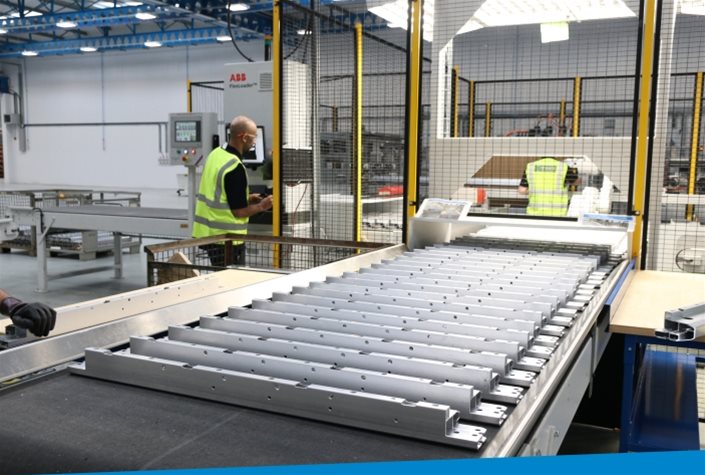
By working with a supplier comfortable with automation, their ability to reduce cost and accelerate lead times will be immediately felt by you. Getting insight into this can begin by asking about annual CNC availability across their 3, 4, and 5-axis machines as well as their multi-pallet setups, which will indicate how much flexibility they have.
BCW Engineering offers in excess of 350,000 hours of CNC machining capability, allowing us to undertake huge projects regularly, no matter the time of year.
In addition to machining, look to their digital tooling infrastructure as an indicator of future readiness and the ability to match your growth.
We mentioned full-service vertical integration earlier, extending on from that, be sure to ask yourself:
- Is the supplier you’re in talks with equipped for various stages of the production process?
- Can they showcase the quality of the product through prototyping before validating the manufacturing process in pre-production and then in full-volume production?
Integration and a reduction in touch points can also stem from working with automotive suppliers who offer different materials, from billets, castings, and forgings.
4. Surface Treatments and Finishing – Are They In-House?
Procurement teams, especially those working with EVs and lighter alloys, need a supplier who can offer surface treatment services and finishes in-house. Transport costs are reduced, and lead time control is secure by working with a supplier who offers fully integrated finishing solutions.
For those in the EV market, specialist, in-house offerings such as EV-compatible dielectric coatings or large-envelope treatments such as hard anodising are also worth considering.
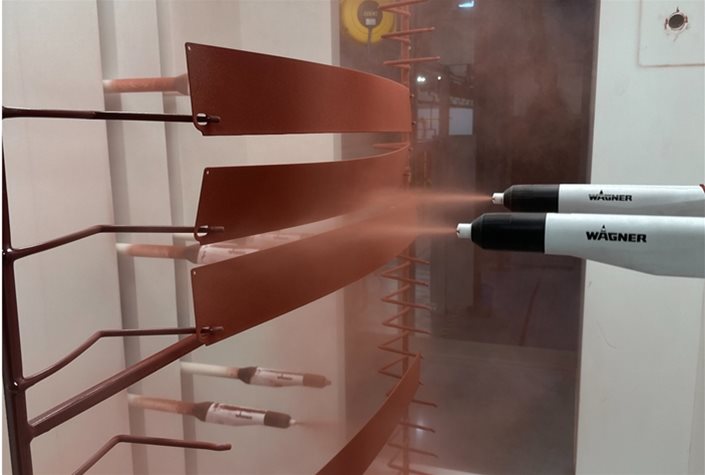
With traceability being an aforementioned non-negotiable, using multiple suppliers makes this harder to maintain and keep consistent. Whether it’s anodising, powder or dielectric coating, any sort of outsourcing of this crucial step threatens to introduce delays, costs and inconsistencies. These are delays and costs modern programmes can’t afford.
At BCW, we house a fully automated surface treatment for EVs and ICE vehicles that not only improves vehicle resistance to corrosion but also keeps finishes consistent.
5. Supply Chain Stability and Risk Management
Stability is key to a strong supplier-manufacturer customer relationship. Yes, some risks can’t be quelled entirely, but it’s how that chosen supplier manages the fallout from said risks.
Questions around contingency planning, material substitution options, and shipping agility are all perfectly valid and essential when selecting an automotive parts supplier.
Why? Because when a material becomes scarce or an international shipping incident causes backlogs in the supply chain, you need a supplier that can maintain delivery and protect your production schedule.
Look for valuable indicators like:
- On-time delivery history
- Availability of safety stock
- Quality performance
- Responsiveness to change requests or programme pivots
Suppliers who proactively offer DFM insights can help to quell fears around scrap stock, further de-risking the supply chain.
We have vertically integrated UK facilities at BCW, which enable us to give our customers access to more agile supply chains which are shorter and far less reliant on overseas partners.
6. Engineering Collaboration and DFM Expertise
The right supplier will soon become a partner, not just a vendor for products. That partnership status can be achieved quickly through early involvement in design and manufacturing. Not only does this promote innovation, but it also leads to procurement managers running a de-risked programme.
DFM has been mentioned previously, but it is worth reinforcing it again. A capable automotive parts supplier should be able to collaborate early and apply DFM principles to support scalable manufacturing.
Can the supplier, for instance:
- Redesign a part to reduce machining time or waste?
- Improve its weight to reduce cost?
- Use DFM to improve part integration across multiple platforms?
A supplier’s factory layout can also help to foster collaboration and speed of innovation. Often overlooked, co-locating tooling, jigs, and assembly can significantly accelerate validation and delivery timelines, enabling faster sign-off and more efficient programme execution.
For EV manufacturers, CNC and extrusion integration isn’t just a technical advantage; it’s a cost-effective way to deliver lightweight, high-strength components.
7. Long-Term Alignment and Strategic Fit
After everything from quality and cost to automation and supply chain stability has been considered, it is time to pivot to how this supplier relationship fits with the long-term view of the manufacturer.
At a fundamental level, you need assurances that your chosen supplier’s vertical integration can meet your commercial, compliance, and sustainability goals.
Additionally, examine their track record with Tier 1s and OEMs, ensuring they have the infrastructure in place to facilitate these high demands. Scrutinise their investments in future capabilities and enquire about how they are proactively investing in innovation to reduce long-term costs and increase supply resilience.
During volatile times, working with suppliers who share your values matters. By working from an agreed set of principles, you can ensure supply longevity and stability during unpredictable spells.
Final Thoughts: Take a Holistic View
Selecting a supplier isn’t transactional anymore; it’s strategic. While cost may have won the day a few decades ago, now, capability, compliance, and shared values require just as much consideration.
By asking the hard questions early on, you will find the suppliers that add value instead of ticking boxes.
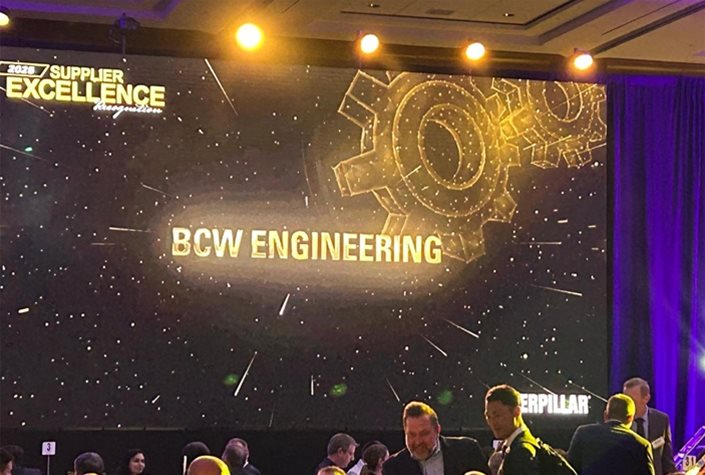
With over 20 years of experience and a vertically integrated UK footprint, BCW Engineering is trusted by leading OEMs and Tier 1s.