Casting vs Machining Explained: How to Make the Right Choice in Automotive Manufacturing
Today’s automotive manufacturing engineers must balance innovation with the real-world realities of delivery demands.
Thankfully, this balance can be achieved by selecting the right processes from the outset.
Here, we’ll be exploring the differences between casting and machining within the automotive world, where precise designs need to be scalable and sustainable.
We’ll offer a side-by-side breakdown of both processes so that lead engineers can make informed decisions.
What Is the Difference Between Casting and Machining?
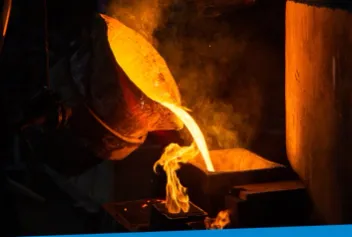
Casting shapes components by pouring molten metal into a mould, and machining removes material from a solid billet to achieve a desired shape. Before deciding on which process is best, be aware of the key features of casting and machining, and the differences between them.
In broad terms, they are:
- Design complexity
- Tolerance control
- Scalability
- Upfront tooling requirements
Casting Explained
The casting process involves minimal machining and is useful for the production of large quantities of parts where the design is relatively simple.
At BCW, our casting capabilities include:
- High-pressure die casting (HPDC)
- Low-pressure die casting (LPDC)
- Gravity die casting (GDC)
- Sand casting
This type of process is typically used to create steering knuckles and gearbox housing in an automotive environment, among other things. For components made of aluminium, this process is often the right option because it supports weight reduction and can produce complex part features which require no additional machining after the initial forming process.
Finally, casting can allow for greater component consolidation, too. One mould can be used to convert what would have been three parts into just one.
Machining Explained
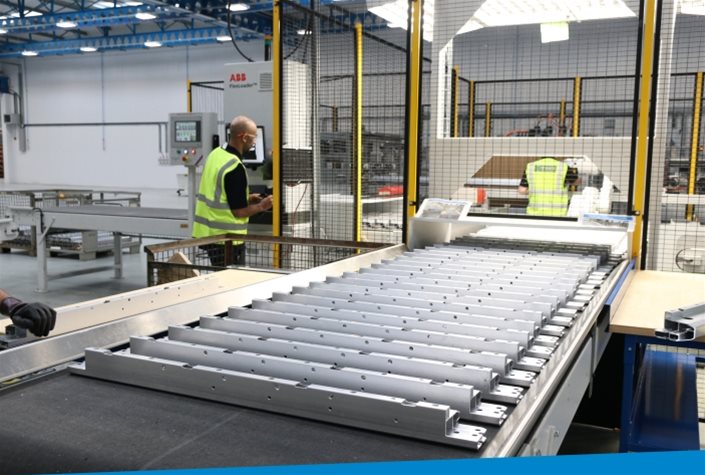
Machining can be considered a slightly more technical process, not as suited to large batch production. Computer numerical control (CNC) machining works to remove material from a billet block to create one final piece using rotating tools.
This precise manufacturing process can create parts that have excellent surface finishes. Its precision is another reason it’s favoured by many in the automotive world. Machining offers close geometric control, meaning it can hit tight tolerances within microns, ideal for parts that need to fit together with total precision.
EV automotive companies find machining particularly useful for EV battery enclosures as well as high-precision mounts.
Early-stage projects that are still going through a period of innovation can use machining to try different versions of a part without starting over, and the lack of custom tooling needed means designs can be adapted quickly.
When Should You Choose Casting Over Machining?
Casting should be chosen when you need to create a lot of complex shapes that reduce overall part count. Its efficient material usage and closed-loop recycling mean it should be chosen if sustainability is a priority too. This method is best for large volumes that require very minimal or no further machining after the initial casting process.
Use Casting When You Need:
- Part consolidation: Remove the need for welding or fasteners by creating a single component instead of assembling multiple parts.
- Complex shapes: Casting can bring designs with intricate internal geometries to life in an efficient, scalable way.
- Thermal stability: Parts that need to offer consistent, safe thermal properties while in use are best created via casting.
When Is Machining the Better Fit?
CNC machining is ideal for limited production runs that still involve some element of innovation. Machining can accommodate design changes quickly, supporting iterative DFM processes. The precise nature of the tools within a CNC machine allows them to create parts that require very little deviation from their intended dimensions.
Use Machining When:
- Low to medium volumes: Perfect for when just a small number of parts are needed and you’re unable to justify spending significant amounts on a custom mould.
- In-process validations: EV’s components need to be traced, and CNC processes can be digitally monitored and logged for future audits.
- Faster start-up: CNC allows faster set-up for prototyping and bridge production while casting tools are being assembled.
Casting vs Machining – Side-by-Side Comparison Table
| Criteria | Casting | Machining |
| Design Complexity | Ideal for hollow, multi-axis designs | Great for angular, complex designs |
| Tolerance Control | Can vary by process | Very high |
| Lead Time | Longer, requires tooling | Shorter, ideal for pre-series builds |
| Sustainability | Closed-loop casting supports CO2e | Reduce energyusage by reusing swarf |
| Tooling Cost | High initial cost, low per part after | None, reducing risk for short productions |
| Scalability | Great for repeat runs of 10k+ parts | Ideal for mid-range batches |
What Role Does Design for Manufacture (DFM) Play in This Decision?
DFM plays a key role in automotive manufacturing. It acts as the bridge between design ambition and how feasible something is to manufacture at scale without too great a degree of waste.
The transition from prototyping to full-scale production can see costs creeping up as the project develops and unexpected design changes need to be made. DFM eliminates this threat by ensuring parts are ready for mass production.
The machining process caters for real-time design evolution during early validation stages of parts. On the other hand, up-front DFM is needed for casting with key features such as parting line and draft angles requiring definition before the process begins.
We can support both routes at BCW. Our vertically integrated design teams provide:
- Design reviews
- Simulations
- Iterative feedback
All stages of the manufacturing process are done under one roof, reducing lead time because we’re not sending parts to different companies. For automotive programmes with tight deadlines and changeable specifications, an integrated supplier such as BCW is the smart choice.
How Do Sustainability Goals Influence Process Choice?
For many in the automotive sector, tightening environmental regulations are increasingly influencing manufacturing process selection. And, while casting and machining are evolving to meet these regulations, the right choice depends on numerous factors.
Key Sustainability Drivers
- The Carbon Border Adjustment Mechanism and other policies affect material sourcing and raise the bar for emissions disclosure.
- Using materials more efficiently is another pressure point. Casting reduces raw material waste at scale, and more efficient chip recycling helps to manage the impact of billet removal in machining.
- Recycled aluminium in casting helps to significantly reduce carbon, and when paired with closed-loop recycling, helps on the path to Net Zero targets.
- CNC machining is becoming cleaner through more efficient tooling and better toolpath optimisation, which reduces the overall power used.
Current Trends
- Scope 3 emissions are now front and centre
- Suppliers are now expected to provide end-to-end emissions data to OEMs, who themselves are facing pressure to reduce their impact.
- Scope 3 emissions figures greatly influence RFQ outcomes among Tier 1 suppliers who are competing on sustainability credentials.
- Closed loop aluminium
- The waste collected from machining and casting is now being collected and reused in future processes. These off-cuts and swarf can now be returned to their original billet form with full traceability.
- CO2e reporting
- Sustainability is increasingly becoming a standard requirement.
- Public net zero commitments for EV and next-gen platforms have resulted in the selection of processes that can supply auditable emissions data.
What’s the Impact on Lead Time and Supply Chain Complexity?
| Casting | Machining |
| The casting process has an upfront lead time in which the tools are designed and tested. This can add between four to 12 weeks to the overall process. Casting delivers components more quickly once that has been approved and the moulds are being used in part production. Casting isn’t particularly flexible mid-programme if new design changes are required, as new tools need to be built to these new specs. | CNC machines are ready to go and require no additional tooling, allowing for fast development times. More iterations of a part can be produced and tested without needing to create new moulds. Machining is a more suitable option for projects where part requirements are evolving based on new versions. |
Our vertically integrated model combines every step from design to assembly. Lead engineers no longer need to chase suppliers or coordinate logistics. There is just one integrated team to deal with.
We reduce project management burden by reducing the risk of delays or miscommunications about specifications. We have exact alignment between our engineering and production teams because they’re all inside the same building.
Real-World Examples in Automotive Manufacturing
Steering Knuckles – Low-Pressure Die-Cast (LPDC)
This customer was using squeeze casting but was facing a mounting scrap rate of 75% because of tiny internal air pockets in the billets. After engaging with BCW, we switched the process over to an LPDC, which had a positive effect on the porosity, reducing it to below 3.5%. This made the part lighter and ensured a 100% on-time delivery.
Transmission Crossmember – High-Pressure Die Cast (HPDC)
This part was originally made using Gravity Die Casting (GDC) before our team suggested switching to HPDC and using a different material – Magnesium 59. The net result was a 1kg saving in weight and no longer a need for expensive heat treatment, saving the business a total of £120,000 a year. The work our team has done has resulted in us becoming the sole Tier 1 supplier for the component line.
Which Process Is More Cost-Effective in the Long Run?
Casting:
In general, opting for casting provides a better return on investment at higher volumes because of amortised tooling costs. For manufacturers with well-established, predictable designs that need to be created regularly, casting is certainly the more cost-effective solution.
Machining:
For New Product Introduction Projects or smaller runs of parts, opting for machining is more cost-effective due to the lack of tooling costs. No moulds need to be made, and the CNC machines are ready to be used. During early developments, new iterations of designs can be made without the need to invest in new tooling.
Total Cost Considerations
Look beyond the price per part when considering how cost-effective casting vs machining is. Instead, examine the full manufacturing lifecycle and factor in:
- Rework rates
- Scrap costs
- Energy usage
- Redesign risks
How to Decide Between Casting vs Machining
Choosing between casting and machining isn’t about one process being better than the other. The right choice is the one that’s best for the part and broader production volume. Production teams must balance factors like tolerance control with carbon reporting to allow them to make confident process decisions early on.
Working with a vertically integrated partner such as BCW Engineering lets you make this decision without the pressure of multiple third parties. Instead, compare your options with a team that works together.