Design for Manufacture (DFM): Getting It Right Before Manufacturing Starts
A good product idea is only part of the job. Manufacturers also need to know it can be made, assembled, tested and delivered efficiently at scale. Design decisions taken early on, before anyone has looked at production, are a common cause of extra cost, delays and quality problems later.
Design for Manufacture (DFM) tackles this by building manufacturing requirements into the design from the start, without compromising performance or quality.
BCW Group provides production-focused engineering for OEMs and their suppliers, taking products from first concept through to series production.
What Is Design for Manufacture (DFM)?
Design for Manufacture (DFM) is an engineering approach in which manufacturing requirements are considered from the earliest stages of development.
Conventional design tends to concentrate on function and appearance. Production-focused design also looks at materials, processes, assembly methods, tolerances, cost and quality.
Effective Design for Manufacture (DFM) helps manufacturers:
- Create products that are easier to manufacture
- Reduce unnecessary production complexity
- Improve manufacturing efficiency
- Minimise material waste
- Support consistent production quality
At BCW Group, design decisions are made with manufacturing in mind.
Why Design for Manufacture (DFM) Matters in Manufacturing
Decisions made early in product development have a big effect on what a product costs to make and how smoothly production runs.
Getting this right at the design stage helps to:
- Reduce manufacturing costs
- Minimise production delays
- Improve product consistency
- Reduce late design changes
- Accelerate the transition from concept to production
Changing a drawing costs far less than changing a production process or its tooling.
BCW Group aims to work closely with customers at the earliest possible stages of design, providing both an engineering and a manufacturing point of view before production starts.
The Role of Manufacturing Product Design
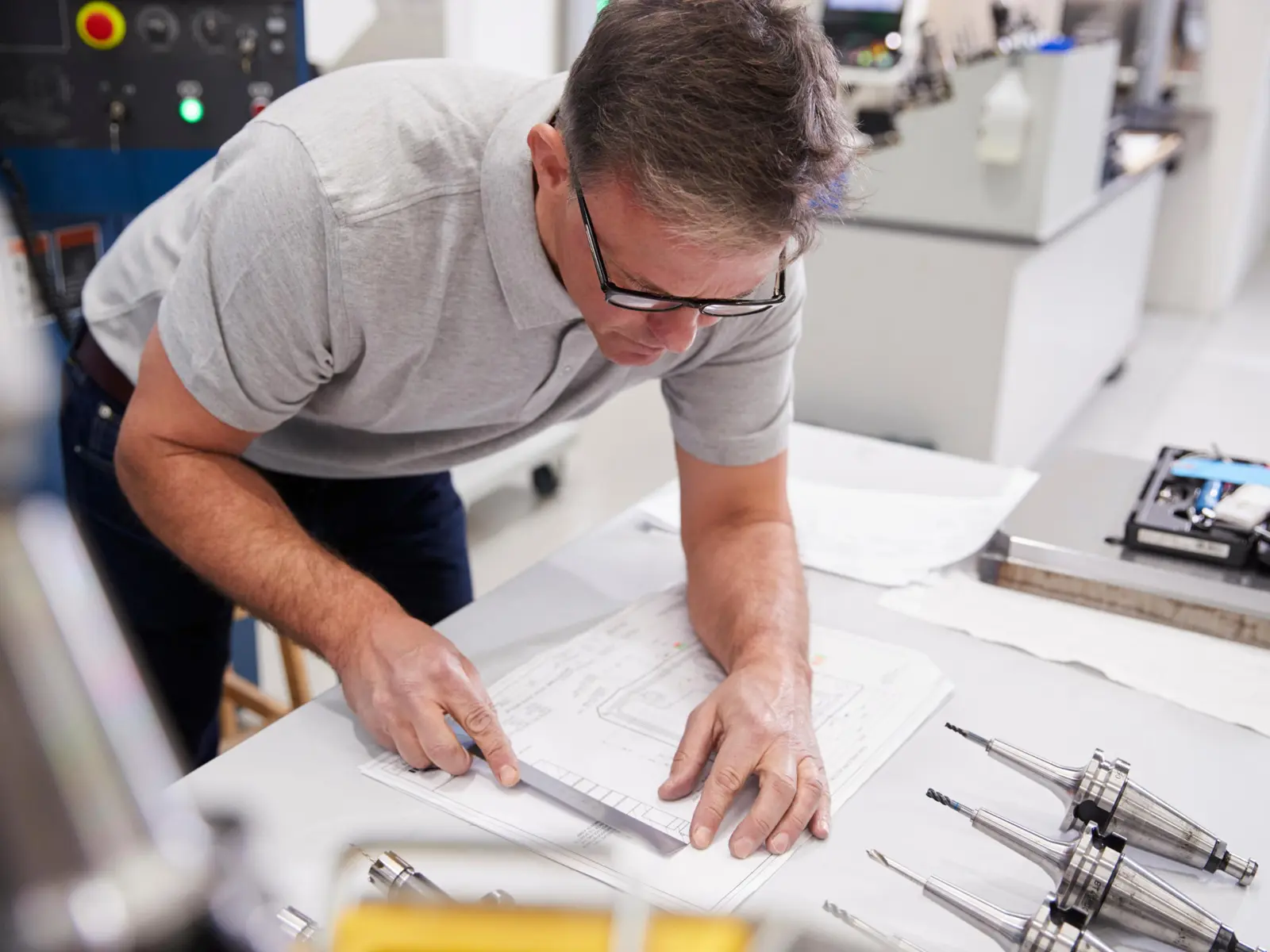
Manufacturing product design means designing a product that works and can also be made efficiently.
It takes into account:
- Material selection
- Manufacturing methods
- Component complexity
- Assembly requirements
- Production scalability
For example, simplifying component designs or relaxing tolerances that are not functionally critical can reduce machining time, speed up assembly and lower manufacturing costs.
Using FMEA Risk Assessment During Product Development
FMEA risk assessment is a structured way of finding problems before they happen, by analysing how a product or manufacturing process could fail.
Failure Mode and Effects Analysis (FMEA) helps engineering teams understand:
- What could go wrong
- Why failures may occur
- How serious the impact could be
- How failures can be prevented
FMEAs are typically carried out at both design (DFMEA) and process (PFMEA) level, so risks are dealt with before production begins.
How an FMEA Tool for Risk Assessment Improves Manufacturing Quality
An FMEA tool for risk assessment gives engineering teams a consistent way to score and rank potential design and process failures.
The analysis covers:
- Failure severity
- Likelihood of occurrence
- Likelihood of detection
- Recommended improvement actions
The scores show the team which risks to tackle first, and the results feed directly into control plans and inspection requirements.
Advanced Product Quality Planning in Manufacturing
Advanced product quality planning (APQP) is a structured framework for planning quality from the initial concept through to production.
Key areas include:
- Defining customer requirements
- Establishing quality objectives
- Managing product development stages
- Identifying manufacturing risks
- Validating production processes, including production part approval (PPAP)
APQP is central to how BCW Group introduces new products, from agreeing customer requirements through to PPAP sign-off.
Key Stages of a Production-Focused Product Development Process
A production-focused development process usually runs through five stages.
Concept Development
The project starts with understanding customer requirements, defining objectives and checking manufacturing feasibility.
Engineering Design
Engineers develop detailed specifications, select materials and optimise components for manufacturing.
Prototype Development
Prototypes are used to test the design, find improvements and validate manufacturing processes before full production.
Production Planning
Manufacturing methods, quality controls and production workflows are set up.
Series Production
Once processes are validated, production is scaled up while keeping quality consistent.
Industries That Benefit from Design for Manufacture (DFM)
BCW Group applies Design for Manufacture (DFM) across:
Aerospace
High-precision components made to strict quality standards.
Automotive
Vehicle components and assemblies designed for efficient volume production.
Defence
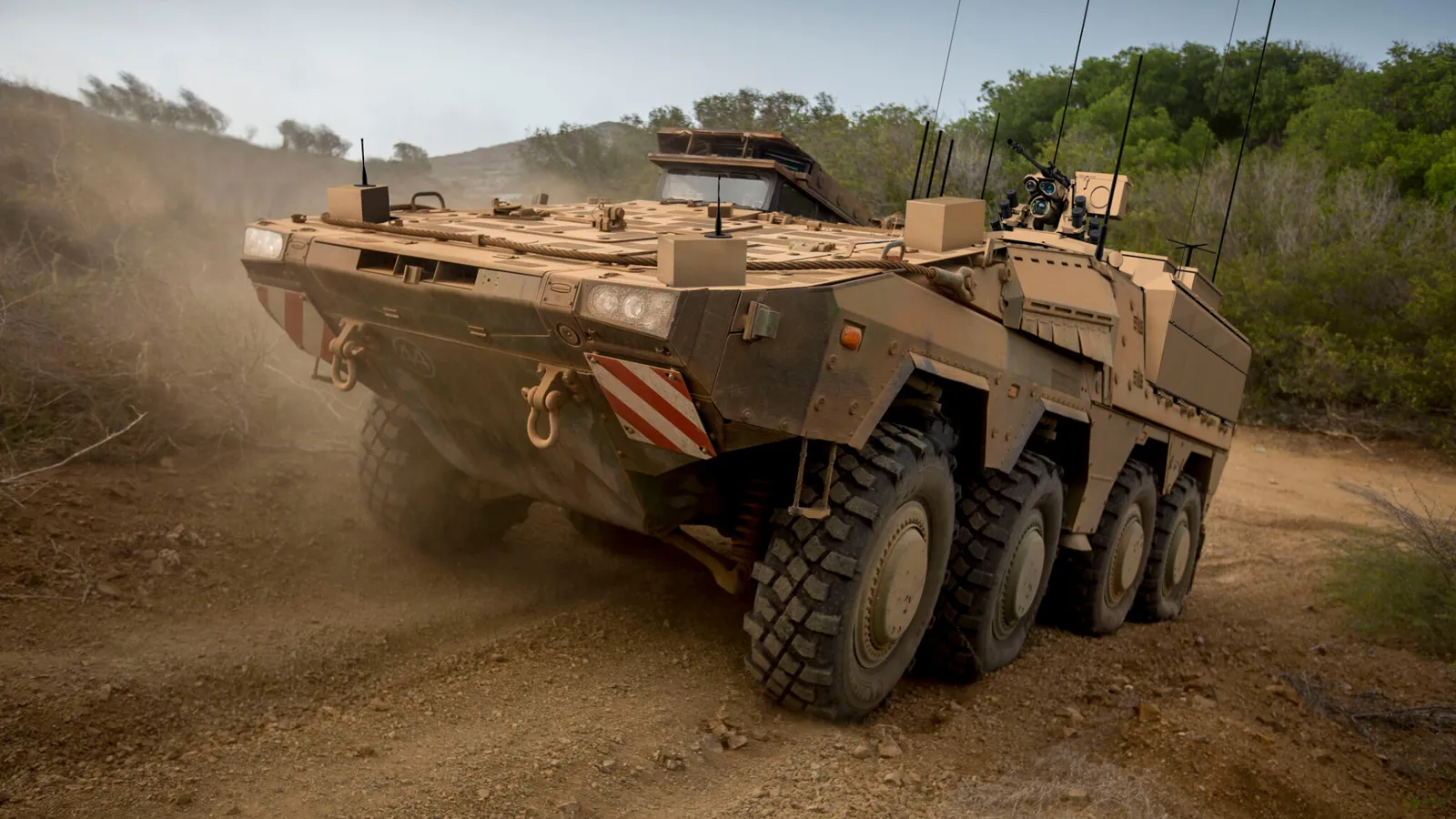
Complex engineering projects where reliability cannot be compromised.
Off-Highway
Durable components for machines working in tough environments.
Why Choose BCW Group for Design for Manufacture (DFM)?
Because BCW Group both designs and manufactures, its engineers see how design decisions play out on the shop floor.
Customers benefit from:
- Experienced engineering teams
- Production-focused design support
- Advanced manufacturing knowledge
- Precision engineering capabilities
- Quality-driven processes
- Support from concept through production
Working with BCW Group
Design for Manufacture (DFM) makes products easier and cheaper to make, and more reliable in service.
BCW Group supports customers with manufacturing product design, FMEA risk assessment and APQP. To discuss a new product, or an existing design that is proving difficult to make, get in touch with the team.