Avoiding the Golden Unit: Taking Defence Prototypes into Qualified Production

A golden unit is a prototype that works but can’t be repeated, because it was built using methods, materials or people that production won’t use. It passes its trials, then the programme stalls while the production version is re-engineered and requalified.
The way to avoid it is to build prototypes on production-representative processes from the start, including the material route, the finish and the inspection method. This article explains where golden units come from, why they matter more in UK defence today and five principles for keeping a prototype on the path to qualified production.
Why does the prototype-to-production gap matter more now?
UK defence is asking industry to move from demonstrator to fielded capability faster than ever, which leaves little time to re-engineer a prototype for production.
- The Defence Industrial Strategy 2025 sets an ambition to innovate at “wartime pace”.
- The Defence Investment Plan commits £5 billion to drones and other uncrewed systems, and the MOD’s SME Action Plan targets a £2.5 billion increase in SME spend by May 2028.
- New production sites are opening at pace, including Tekever’s drone factory in Swindon, which will cover everything from rapid prototyping to scaled manufacturing.
Many of the companies driving this growth are moving from small batches to volume for the first time. For them, and for the primes integrating their work, a prototype that can’t be repeated is a schedule risk, not just an engineering inconvenience.
Where do golden units come from?
Golden units are rarely a single mistake. They come from sensible shortcuts taken to hit a trial date, each of which breaks the link between what was tested and what will be built.
| Prototype shortcut | What happens in production | Production-representative alternative |
|---|---|---|
| Machined from solid when production will be cast or extruded | Material properties, wall thicknesses and geometry change, so the part must be redesigned and retested | Decide the production route first, and design the prototype to its rules |
| Finish left off, or applied by a different supplier | Corrosion, fit and fatigue results don’t carry over, and the coating changes critical dimensions | Prototype with the production finish and process |
| Tolerances achieved by skilled hand fitting | The production process can’t hold them, leading to scrap and rework | Prove tolerances on production equipment, backed by tolerance stack-up analysis |
| Features no production tool can reach easily | Cycle times and cost rise, or the geometry has to change | Refine geometry with machining input on tool access and fixturing |
| Inspected with bench gauges only | There is no baseline for the production inspection plan | Inspect on production metrology and keep the records |
| Changes made on the shop floor and not recorded | The drawing no longer matches the part that passed trials | Control every change through PFMEA and control plans |

How do you build a prototype that is ready for production?
Treat the prototype as the first step of production, not a one-off experiment. Five principles keep it on that path.
- Decide production intent first. Agree the material, process route, expected volumes, finish and inspection standard before the first part is made. A faster prototype route is fine, as long as everyone knows where the design is heading.
- Build on production processes. Use the same class of machines, fixturing approach and treatment line that production will use, so trial results describe the part you will actually supply.
- Refine complex geometry with the people who will make it. Machinists and process engineers can flag tool access, fixturing datums and parts that could be consolidated. Simplify wherever function allows, because every feature removed is cost and risk removed.
- Capture the prototype as evidence. Record process parameters, inspection results and every deviation. That record feeds APQP, PFMEA, control plans and first article inspection, rather than being recreated later.
- Plan the bridge to volume and sustainment. Know how the part moves from low-volume introduction to steady production, and how spares will be supplied once the platform is in service.

How does a vertically integrated partner close the gap?
When design, machining, treatment, assembly and inspection sit with one partner, the prototype is built on the same processes, people and quality system that will carry it into production. Nothing has to be handed to a new supplier and proven again.
At BCW, that means:
- Early-stage development: prototype builds, refinement of complex geometries and simplified design for manufacture, using CATIA V5 and FEA.
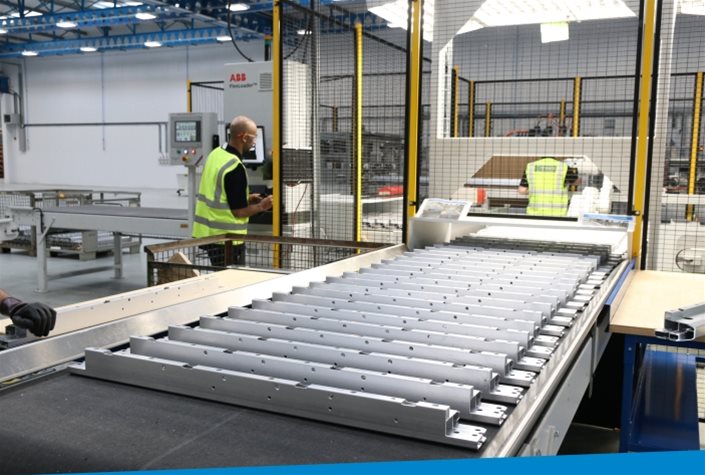
- Production-scale machining from day one: over 90 CNC machining centres across Burnley and Wellingborough, including multi-axis platforms, a sliding head cell for small complex parts and a large component machining area.
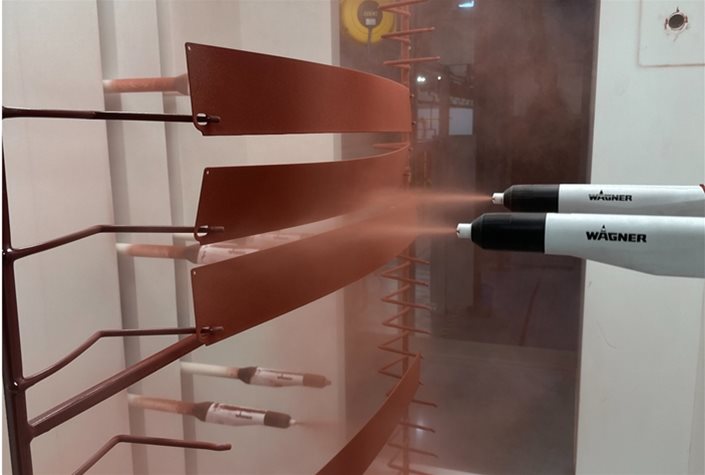
- The finish included: in-house surface treatments, so prototypes carry the coating production parts will carry.
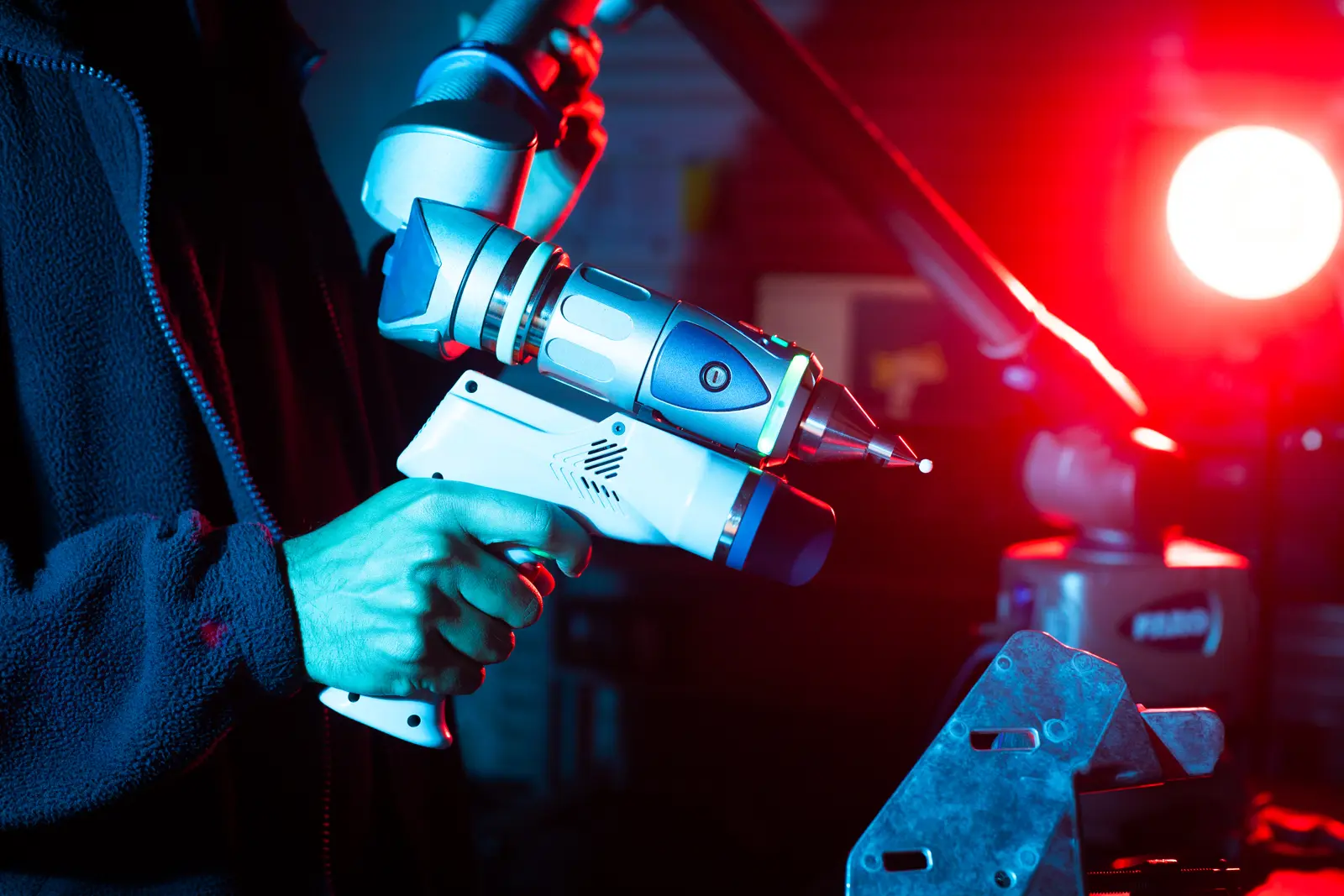
- Production metrology: CMM, FARO arms and laser trackers, so prototype inspection becomes the baseline for production inspection.
- Evidence built in: DFM reviews embedded within APQP, PFMEA and control plans.
- Test and validation support: test rigs and validation tooling for programme trials, endurance testing and component qualification.
- Room to scale: more than 300,000 sq ft of production space for new-build programmes and long-term in-service support.
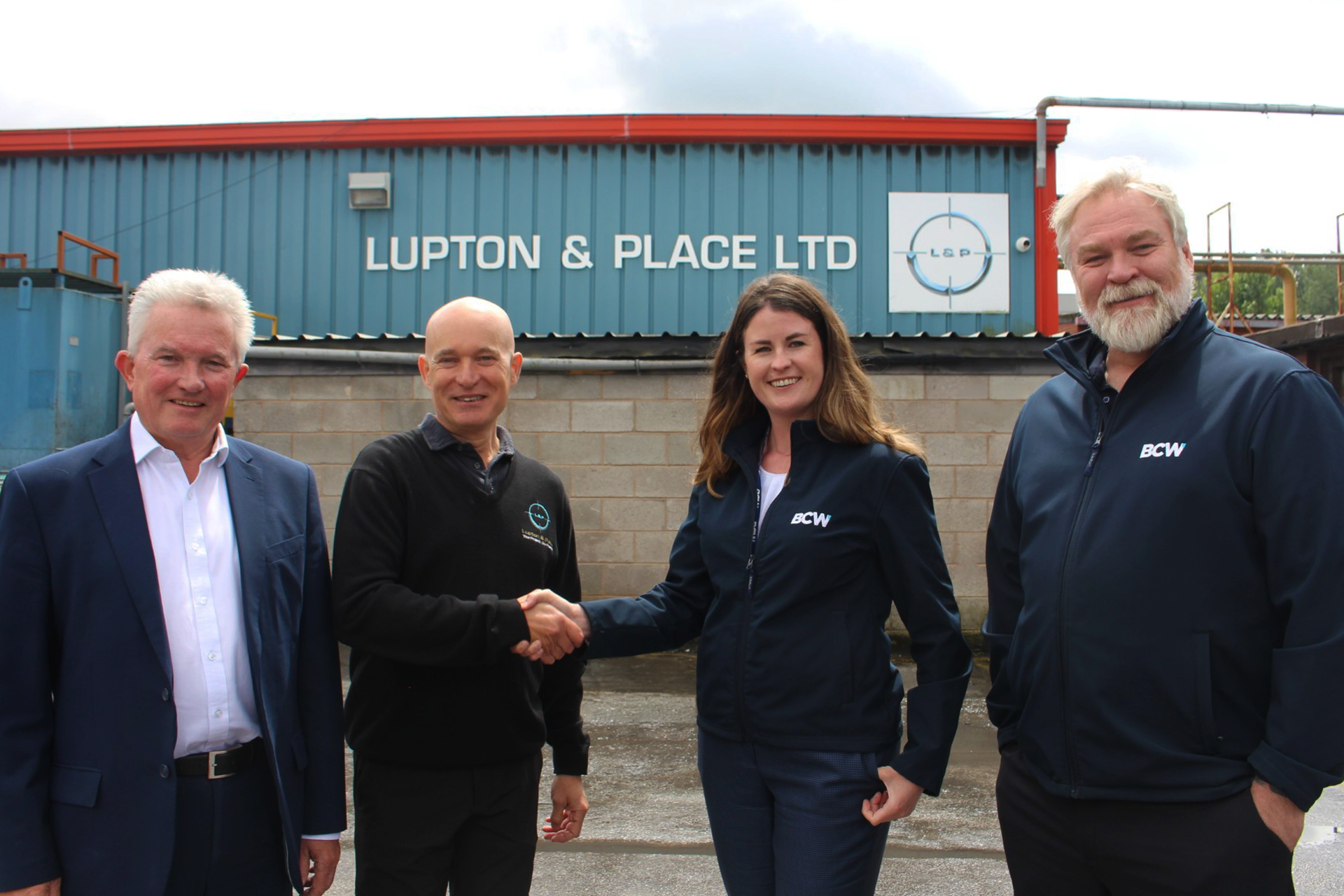
The same thinking applies to material routes. With aluminium die casting now part of the group through Lupton & Place, a part machined from solid for early trials can be designed with its cast production route in mind.
It also pays off on existing parts. As one defence customer, Expert Technologies Group, put it: “The manufacturing support has enabled us to identify and implement a more cost efficient and streamline manufacturing process on material we had in stock.”
If you are planning a defence prototype, talk to BCW’s specialists before the first part is cut.
FAQ
1. What is a golden unit in manufacturing?
A golden unit is a prototype built with methods, materials or skills that production won’t use. It performs in trials but can’t be repeated, so the production version needs re-engineering and requalification.
2. How do you move a defence prototype into production?
Decide the production route early, build prototypes on production-representative processes, refine the geometry with manufacturing input and record the prototype build as evidence for APQP and first article inspection.
3. Should a prototype include the final surface finish?
Yes, wherever the finish affects fit, corrosion or fatigue. A coating changes dimensions and surface properties, so a bare prototype can pass trials that the finished part would not.
4. Can a prototype be machined from solid if production will be cast?
It can, provided the prototype is designed to casting rules such as draft angles and wall thickness, and everyone understands the material properties will differ.
5. Does BCW support low-volume defence production?
Yes. BCW supports prototype builds and low-volume introduction, and scales the same processes for full production and in-service support.